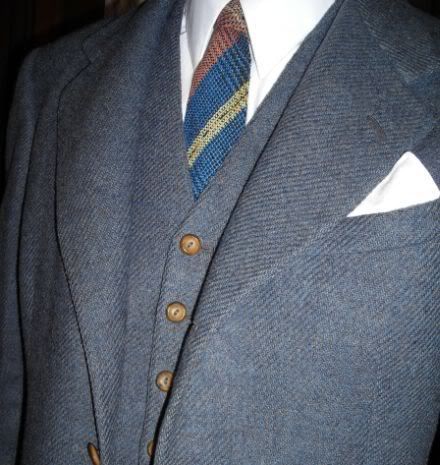
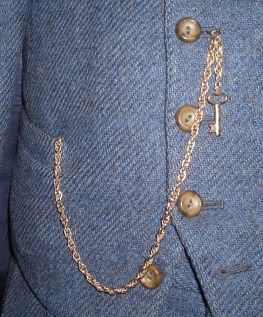
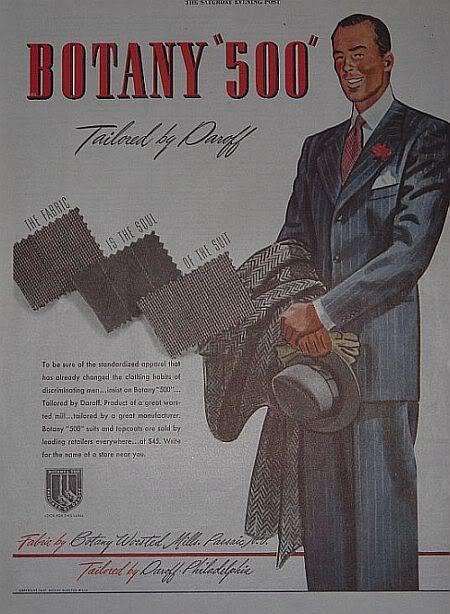
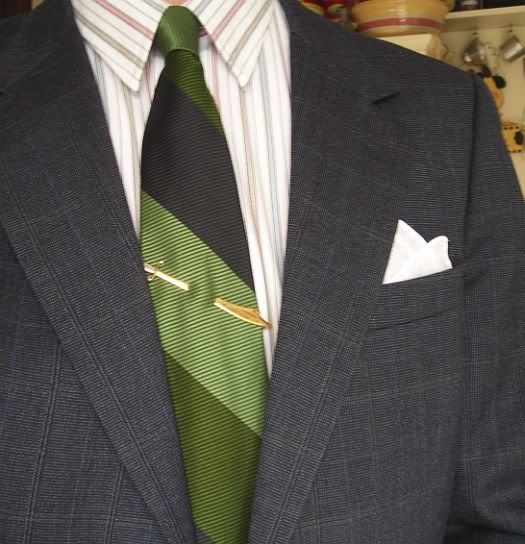
With the changing of the seasons our wardrobes must also change. The light summer clothing should be carefully examined, cleaned, pressed and hung up to make room for heavier Autumn and Winter garments.
But before you put it in the closet, take a long look at what you're hanging your summer wardrobe on. Are you using wire or cheap plastic hangers? If you answered yes, you could be damaging and shortening the life of your investment.
Garments only last so long; each piece can only be worn a certain number of times. Factors such as the number of times a piece of clothing is dry cleaned, how long it is worn or how it is stored can affect it's longevity. A poorly stored suit or jacket will not last as long as a suit or jacket that is stored correctly.
How can we correctly care for, store and hang clothing?
*Throw away wire hangers and thin plastic hangers. These are not only too narrow (thereby creasing the resting garment), but wire hangers can also rust, destroying the clothing along with it.
*Buy thick plastic hangers or, better yet, find thick wooden hangers. Not only do the wooden hangers look more elegant than plastic ones, they also come in a variety of shapes that fit the contours of the garment better than straight plastic hangers. This helps the suit or jacket keep it's natural shape.
Quality wooden hangers can be found at your local department store or at
The Hanger Project, a seller of high quality hangers.
*Avoid draping trousers over hanger bars as this can result in unsightly creases and wrinkles. Look for clip or clamp hangers that hold onto the trouser at the cuff and allow it to hang, ridding any chance of creases to develop.
*Hang some sort of insect repellent with your wool suits. Moth balls are fine but can be harmful to you and your clothing. Better than moth balls is cedar. It's natural and makes your clothing smell nice, making it harmful to nothing but the mothes. Cedar rings and balls can be found at your local department store.
*Avoid hanging clothing in any sort of bag, especially older plastic bags. These plastic bags emit destructive chemicals when they deteriorate that can destroy your clothing. If you absolutely must hang your clothing in a bag use a new plastic bag and leave it partially open to allow air to flow about.
*Store you cloting away from direct sunlight. While light helps keep moths away, direct sunlight can easily fade and destroy your wardrobe.
*While dry cleaning is useful to a certain extent, sending clothing to the dry cleaner too often can shorten their lifespan. The harsh chemicals can break down garments if they are exposed to them too often. Dry cleaning can also give your clothing unwanted sheen.
*After purchasing a vintage wool piece, stick it in the freezer for a day or two to kill off any moths that might be hiding. This does not hurt the clothing in any way and keeps the rest of your collection uncontaminated.
If you follow these simple guidelines your wardrobe will last longer and therefore save you money and undue stress.